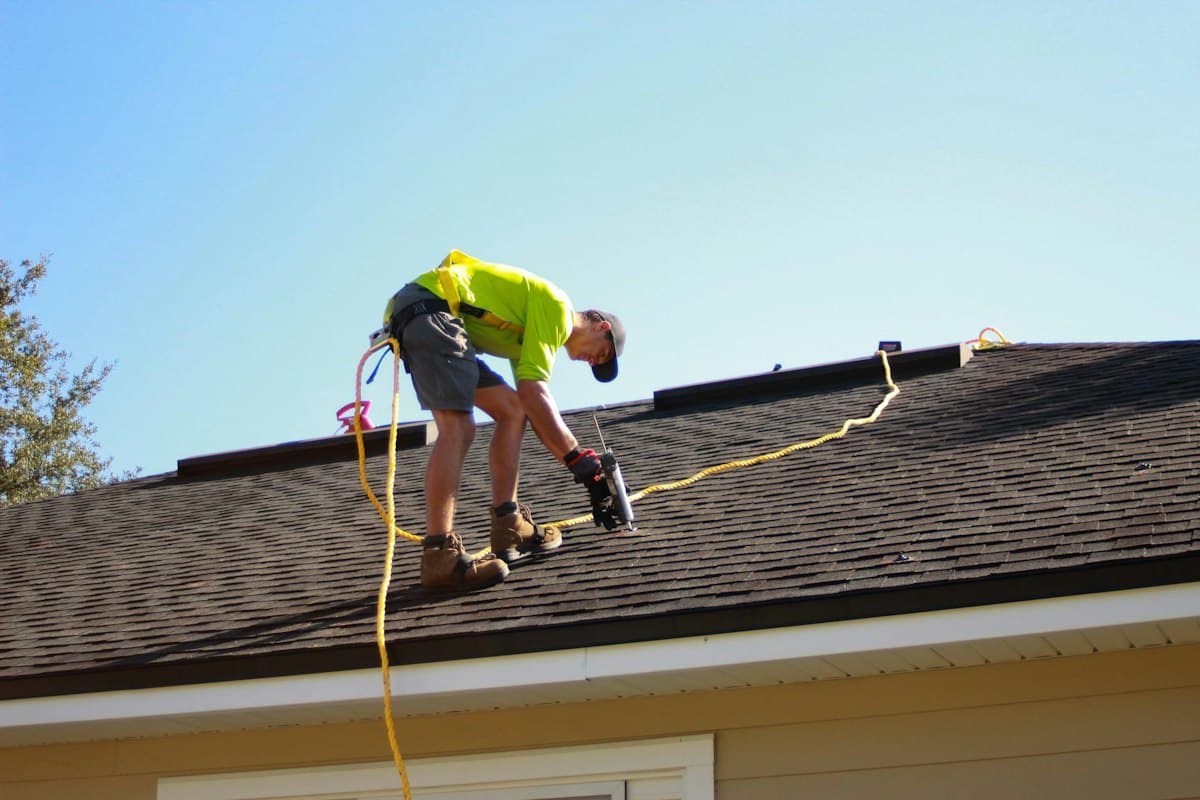
Two kinds of roofing lead
Homeowner leads are private individuals who need a repair or a new roof. Business leads are companies that need roof work themselves or that pass it on: builders, property firms, agents, insurers’ local offices.
The difference decides where the lead can come from. Homeowners find you, or are sold to you by a lead service. Businesses can be listed and contacted directly, because they publish how to reach them. To be plain about what this site does: LeadsByCity sells lists of businesses and sells no homeowner or consumer data, so it helps with the second kind only.
The ways roofers get leads
| Source | Kind of lead | You pay | Watch for |
|---|---|---|---|
| Referrals and repeat customers | Homeowner | Nothing | Cannot be turned up on demand |
| Local search and your reviews | Homeowner | Time, or an agency | Slow to build; competitors bid on your name |
| Paid search ads | Homeowner | Per click | Costs every day; stops when you stop |
| Pay-per-lead services | Homeowner | Per lead | The same lead is often sold to several roofers |
| Canvassing after storms | Homeowner | Your crew's time | Local rules on door-to-door selling |
| Builders, agents and property firms | Business | A list and your time | Slower to start; repeats for years |
The source most roofers skip: businesses that hand out roof work
Some businesses meet a roof problem every week and need someone to send it to. One good relationship with such a business is worth many single enquiries, and nobody else is paying for the same lead.
| Who | Why they need a roofer | The lists |
|---|---|---|
| General contractors | They subcontract roofing on builds and renovations | General contractor leads |
| Real estate agents | Inspections turn up roof repairs that must be done before a sale | Real estate agent leads |
| Insurance agents | Their customers ask who to call after storm damage | Insurance agent leads |
| Solar installers | A roof often needs work before panels go on | Solar installer leads |
| Architects | They specify roofing on new buildings | Architect leads |
The method is the one in local lead generation: take every business of one of these kinds in your service area, and contact each with a short, specific offer, such as a same-week inspection for their clients. It builds slowly and then keeps paying.
If you sell to roofing companies
Suppliers, software companies and marketing agencies search for roofing leads too, meaning roofing companies to sell to. For that, the list is the roofers themselves: roofer leads by country and city, with the count and sample rows for each place.
A sensible mix
Keep the sources that bring homeowners to you for nothing: reviews, referrals and a clear local presence. Use paid homeowner leads only while the numbers hold, measured as cost per job won. And put a few hours a week into the businesses that hand out roof work, because that is the one source that gets cheaper the longer you do it.
Questions and answers
- What is the best way to get roofing leads?
- There is no single best way. Referrals and local search cost least per job but cannot be forced. Paid lead services are fast but often shared with other roofers. Relationships with builders, agents and insurance offices start slowly and repeat for years. Most roofing companies do best with a mix, measured by cost per job won.
- Are bought roofing leads worth it?
- Sometimes. It depends on how many contractors receive each lead and how many leads you need to win one job. Track cost per job won, not cost per lead, and stop a service when that number passes what a job is worth to you.
- Does LeadsByCity sell homeowner roofing leads?
- No. It sells lists of businesses only, and no consumer data. For a roofer that means lists of the businesses that pass on roof work, such as general contractors, real estate agents and insurance agents. For a company that sells to roofers, it means lists of roofing companies.
- How do roofers get commercial work?
- By contacting the businesses that control it: general contractors, architects, property firms and facilities managers. List every one in your service area, introduce the company with a specific offer, and follow up. Commercial work comes from being known before the tender, not from answering it.